History & Story
The Magistrate's Waiting Room - A Moment of Stillness Before the Courtroom
The Magistrate's Waiting Room was intentionally modest. It offered privacy, calm, and a moment of reflection before entering the courtroom. Magistrates would review notes, discuss cases, or simply sit in silence before delivering decisions that carried real weight.
The room's proportions and window placement were designed to create stillness. During restoration, Saban and Belinda preserved the original wall line and uncovered fragments of early plasterwork that hinted at its understated elegance.
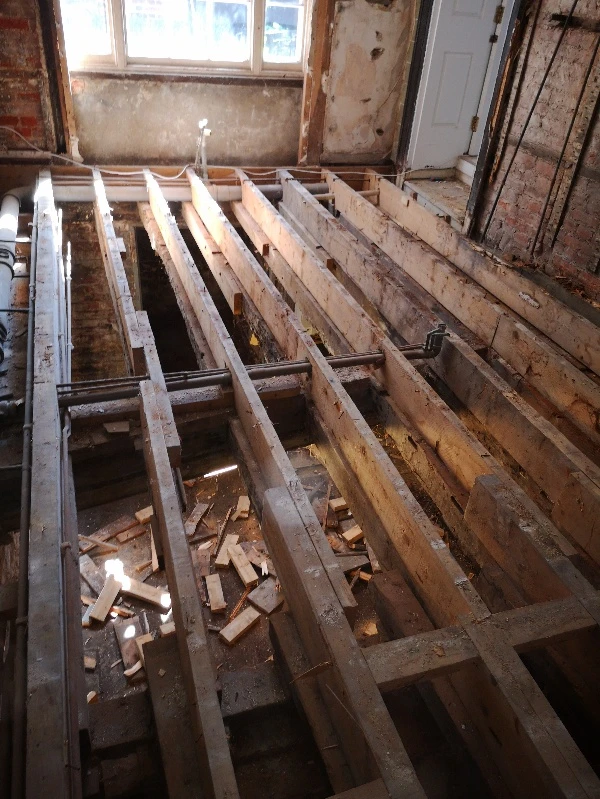
When Belinda and Saban purchased the property, this room had been used as communal toilets for the former hotel. It was in terrible structural condition, with severe timber damage caused by years of water ingress.
Today, the room retains its contemplative atmosphere — a gentle reminder of the human side of justice.
Personal Restoration Note
When we first saw this room, it was difficult to imagine its earlier dignity. Years of hotel use, water damage, and poor alterations had left it in very poor condition, and there were moments when the structural problems felt overwhelming. Restoring it required patience, careful repair, and belief in what the room could become again. We had to strip away damage without stripping away character, and that balance was one of the hardest parts of the project. Bringing calm back into this space felt especially meaningful because it had once been a place of quiet reflection before judgement.
THE RESTORATION
Before & After - The Waiting Room Recovered
Used as communal toilets by the former hotel, the room was found with severe timber damage from years of water ingress. The original wall line was preserved and the structure rebuilt beneath it.

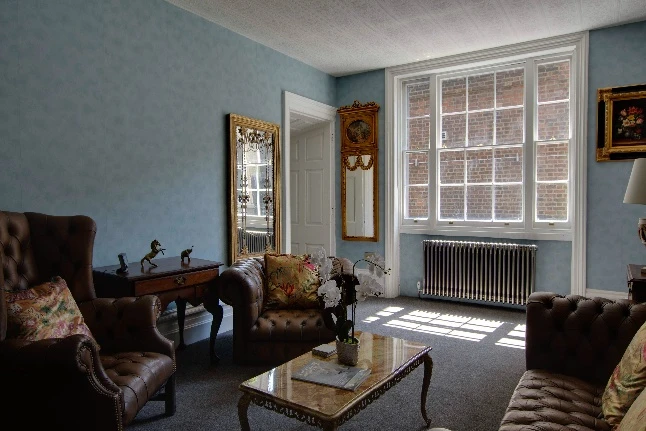
Floor timbers lifted to expose the water damage beneath, and the room as it stands today.
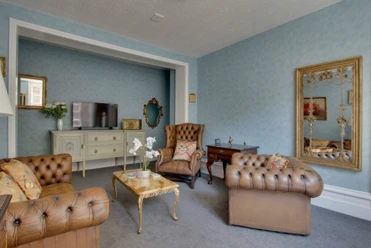
Damage stripped back without stripping away character, restoring the room's contemplative atmosphere.
Historical Significance
A deliberately modest room built for stillness, where magistrates drawn from the local community gathered their thoughts before decisions that shaped Kentish lives.
Did You Know?
Magistrates often served voluntarily, drawn from respected members of the community.
Some magistrates kept personal journals of their experiences here.
The room's door was intentionally thick to ensure privacy.
During restoration, the oak beam supporting the ceiling was found to contain carpenter's carvings. It may have come from a dismantled ship once docked at Chatham Royal Dockyard in the 18th century.


WEDDINGS AND ACCOMMODATION · MAIDSTONE, KENT
Book Your Wedding At Stone Court House
Uncover the details, beauty and atmosphere that have made us Maidstone's top rated wedding venue.
Arrange a private wedding venue tour and step into history for your big day.
01622 200391
WEDDINGS | ROOMS & SUITES | MEETING & EVENTS | SPECIAL OFFERS | ABOUT | CONTACT
