History & Story
The Judge Scrutton Servants' Quarters - The Work Behind the Ceremony
Named alongside the judicial tradition of the house, this section also recognises the people who worked beyond public view. Servants kept fires lit, rooms prepared, linen ordered, meals delivered, and the household moving smoothly while official life continued elsewhere.
The quarters show how closely authority and service were connected. The dignity of a judge's stay depended on labour that was often hidden: cleaning before guests arrived, carrying water, maintaining warmth, and moving quietly through the building's service routes.
Today, The Judge Scrutton Servants' Quarters help restore the human story of Stone Court House, honouring the unnamed workers whose care and discipline made public ceremony and private comfort possible.
Personal Restoration Note
We felt it was important that the house did not only tell the story of judges and owners. The servants' spaces remind us of the people whose work made every comfortable room and every formal occasion possible.
THE RESTORATION
Before & After - The Servants' Quarters Restored
Stripped back to bare timber frames and open brickwork, these plain working rooms were rebuilt while keeping the structure that tells their story.
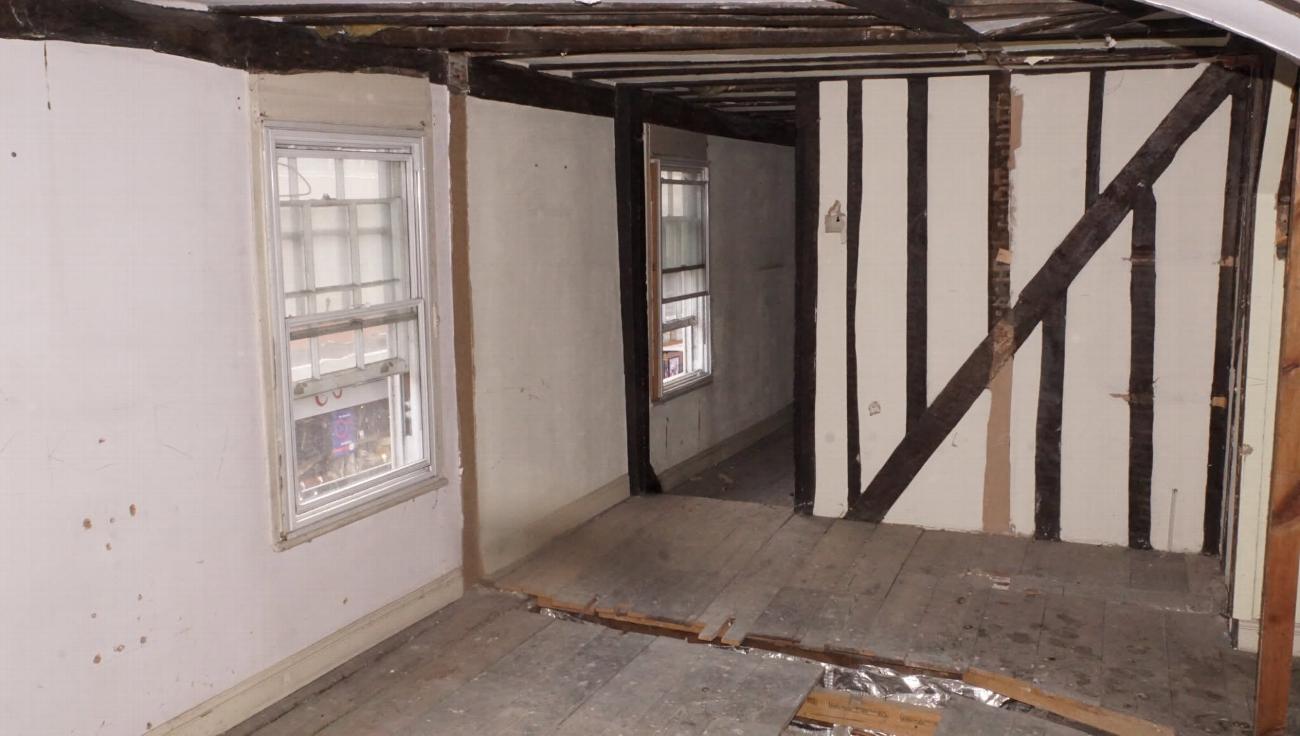
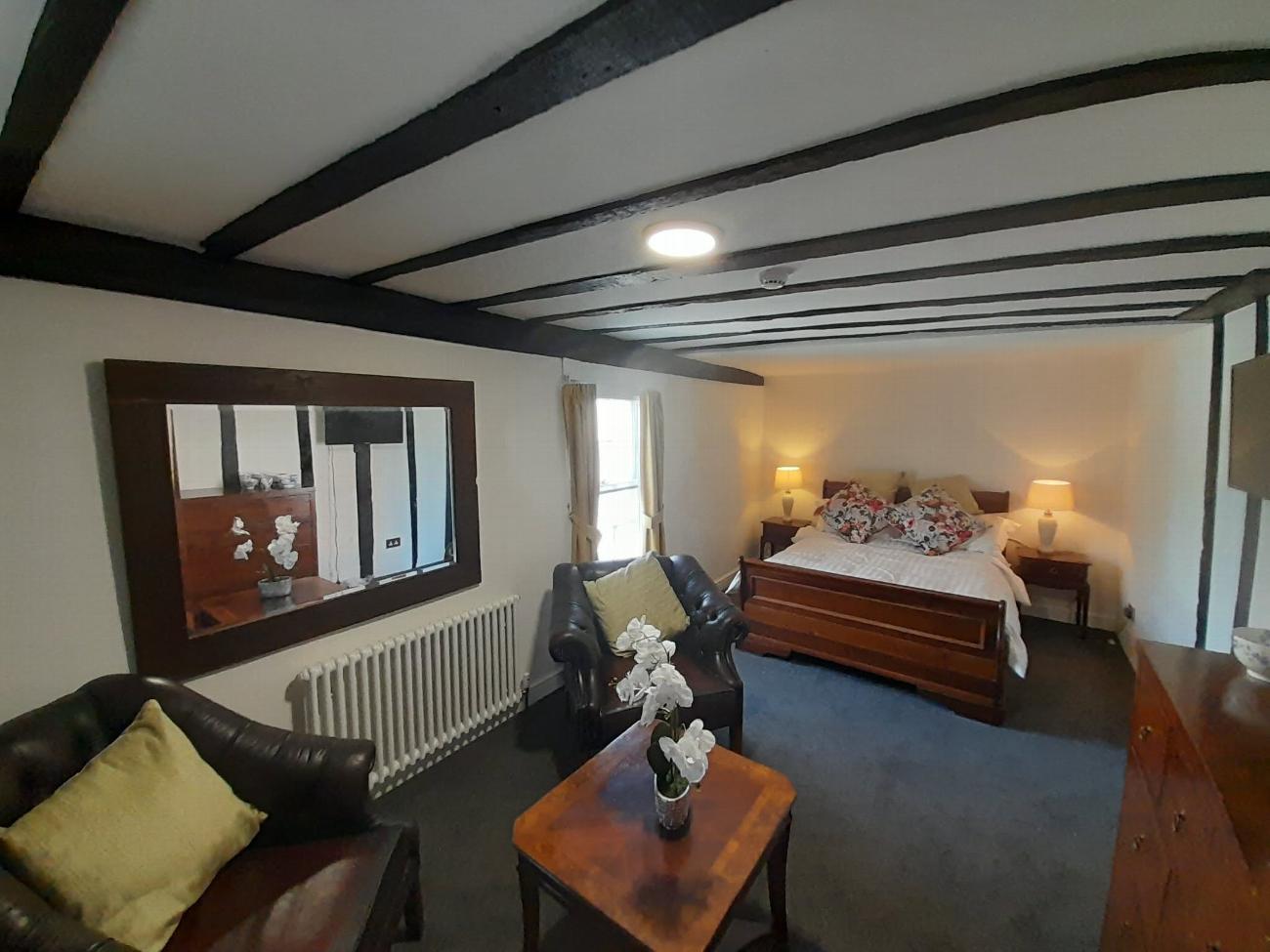
The room stripped to its timber frame, and the finished space that keeps those beams on show.
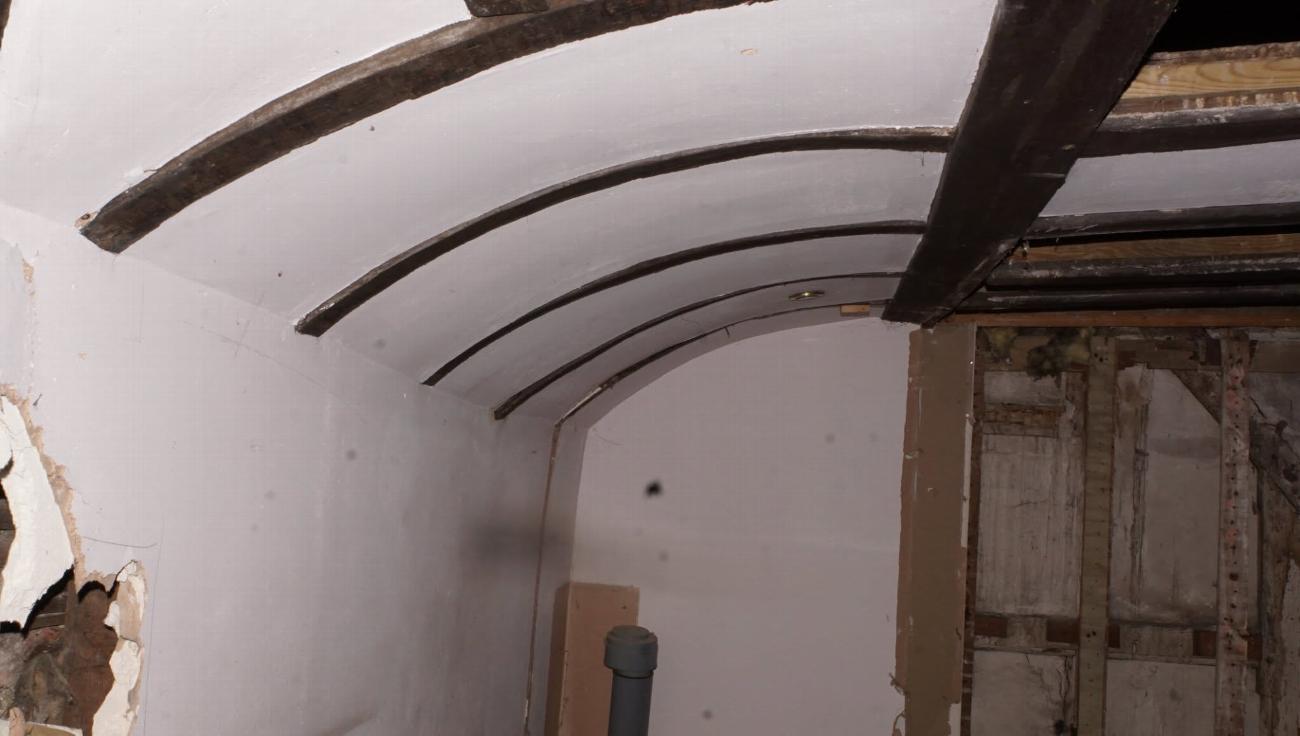
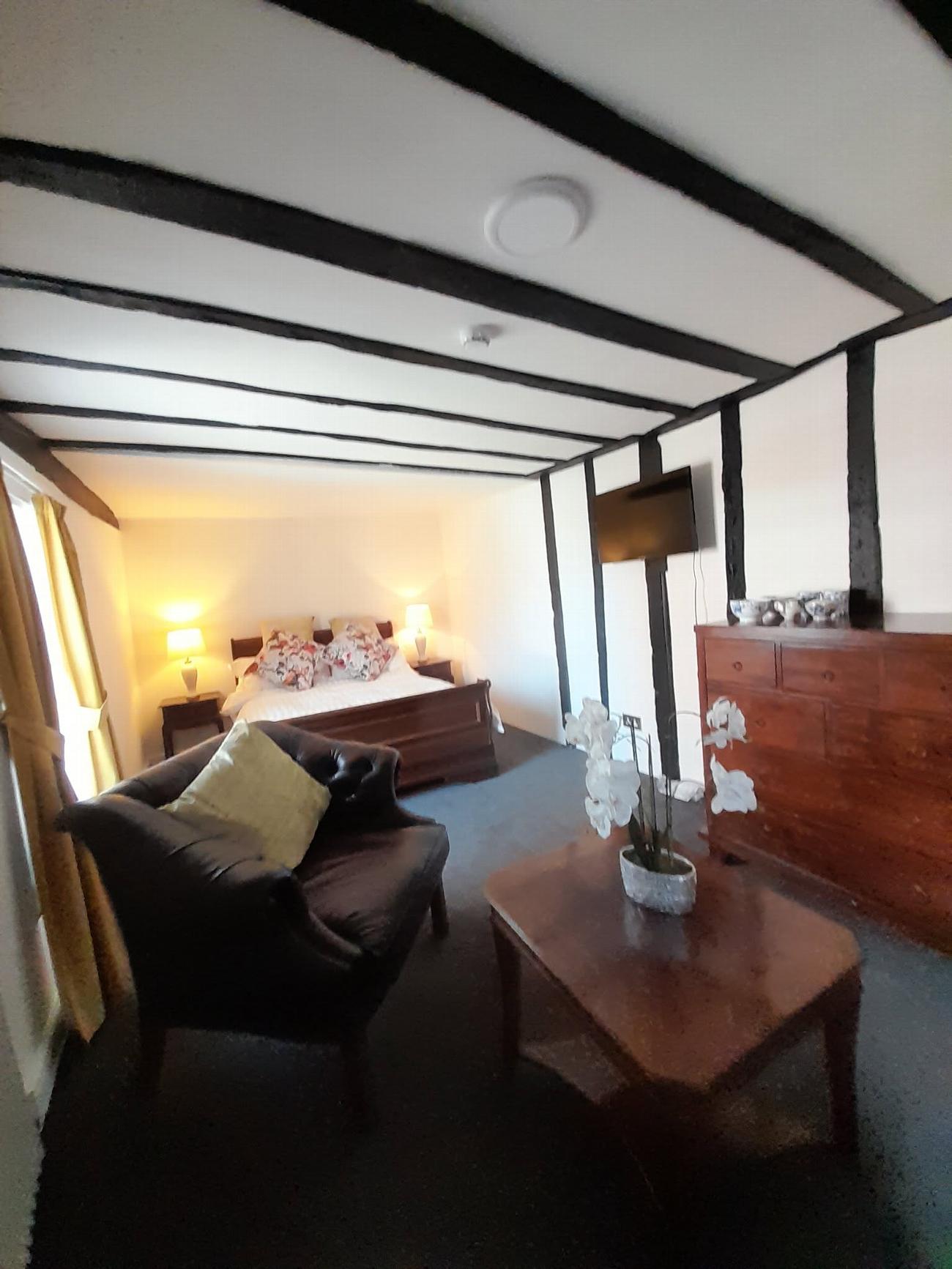
The curved roof structure exposed during the works, and the room built beneath it.
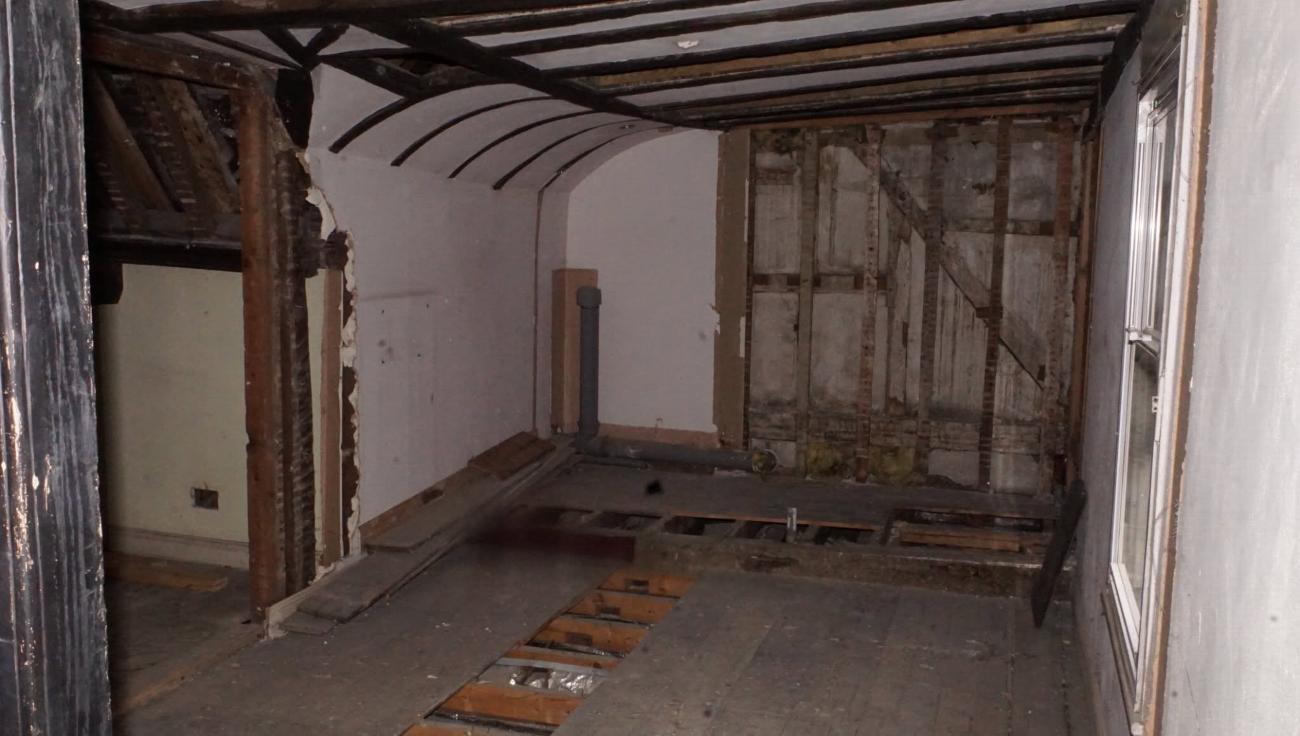
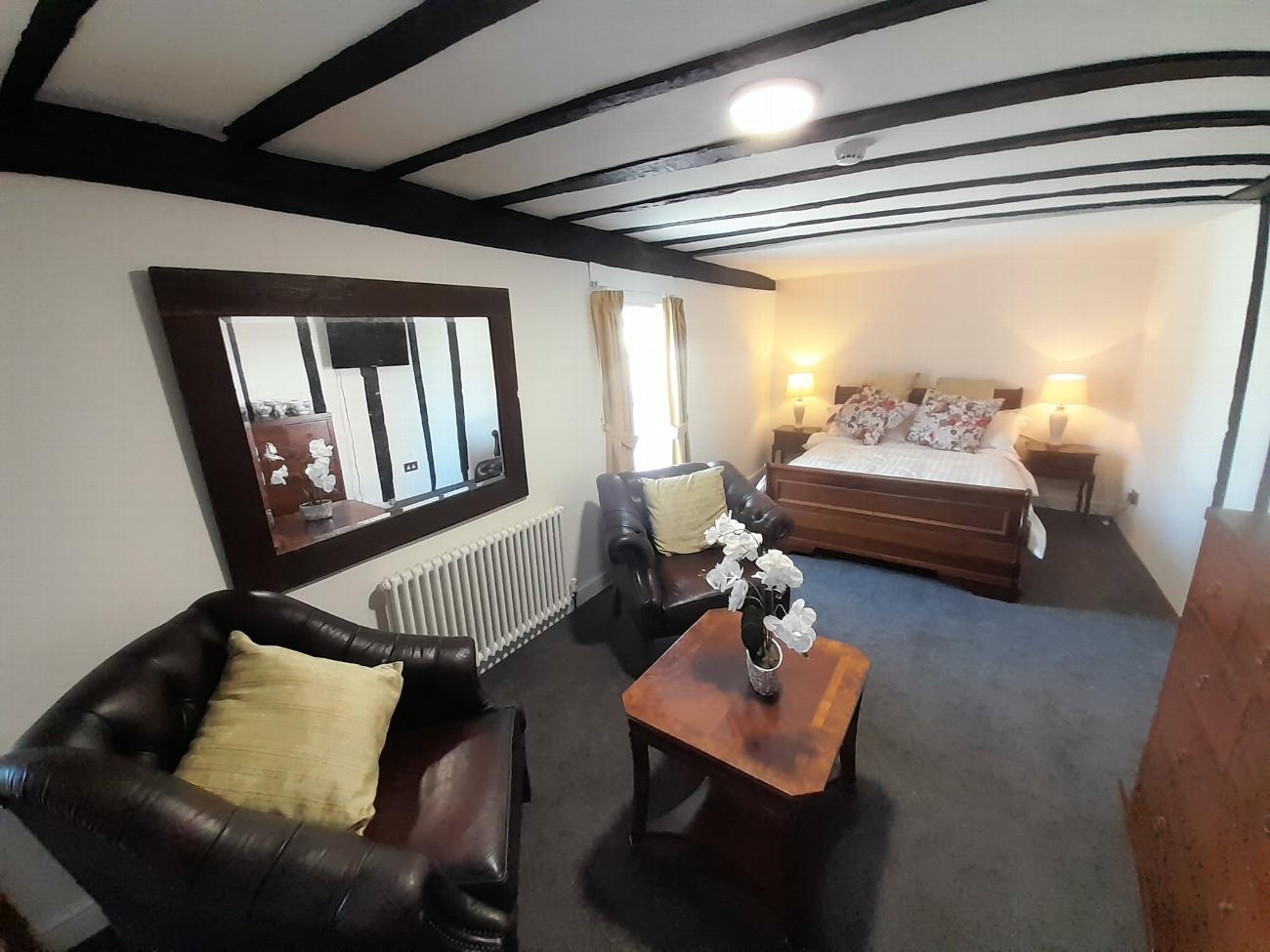
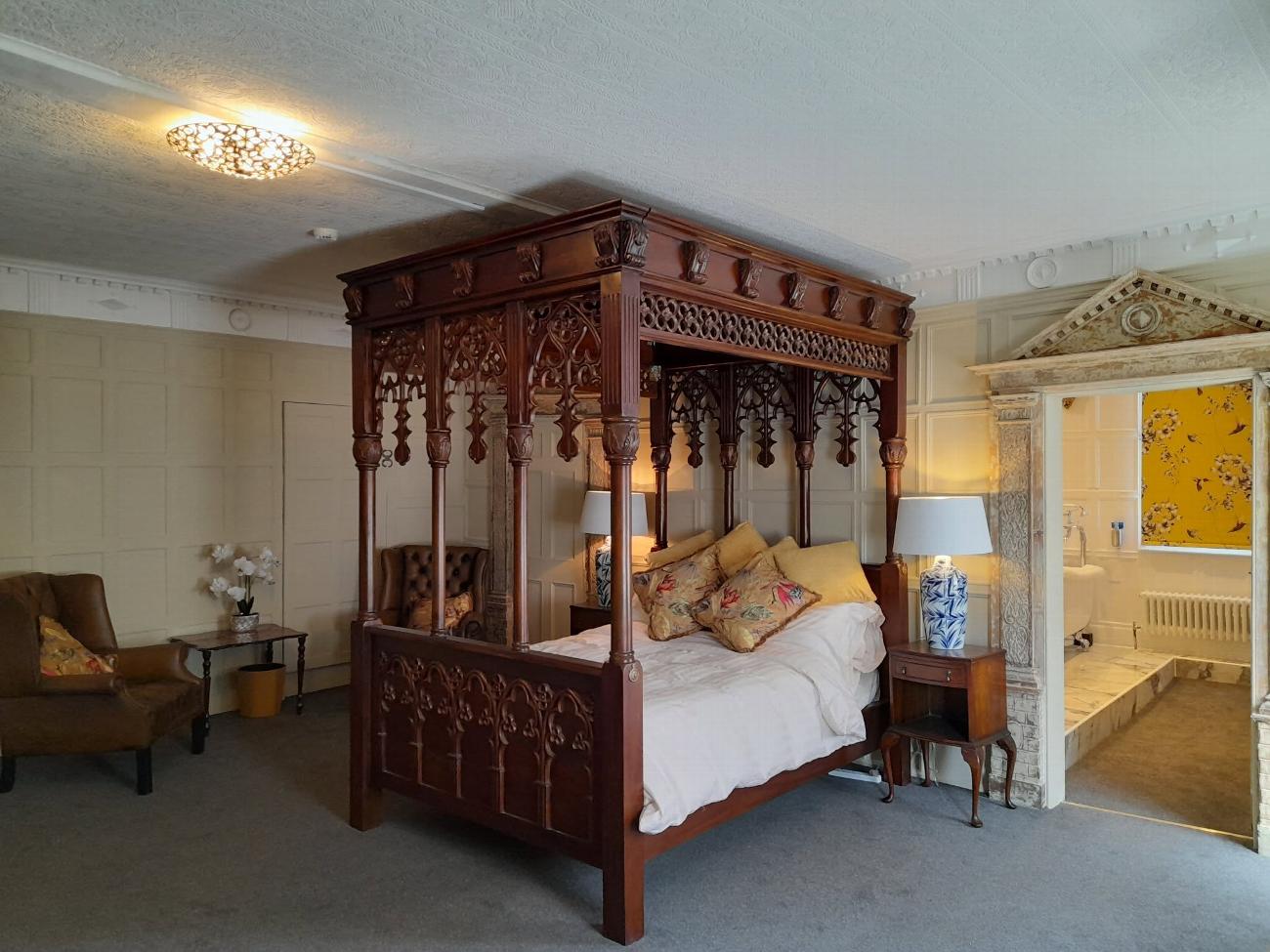
Plain working rooms, once deliberately unadorned, now furnished for guests.
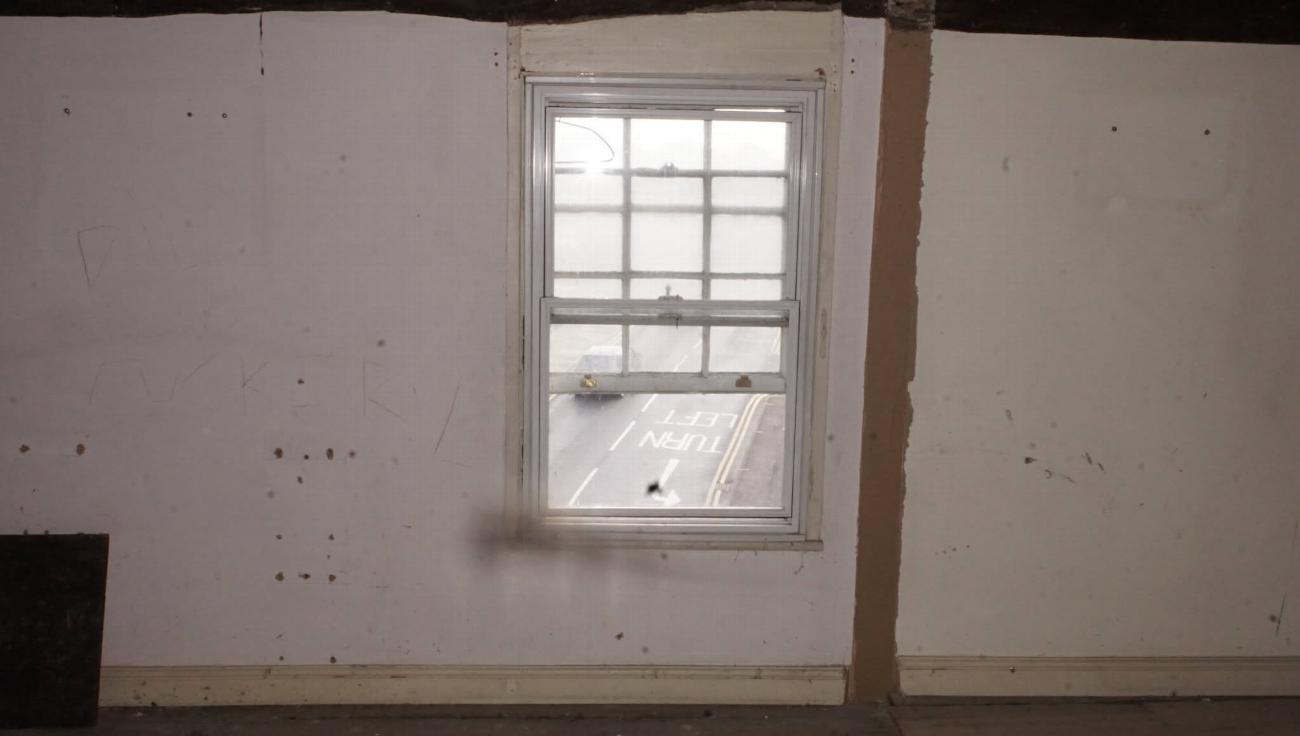
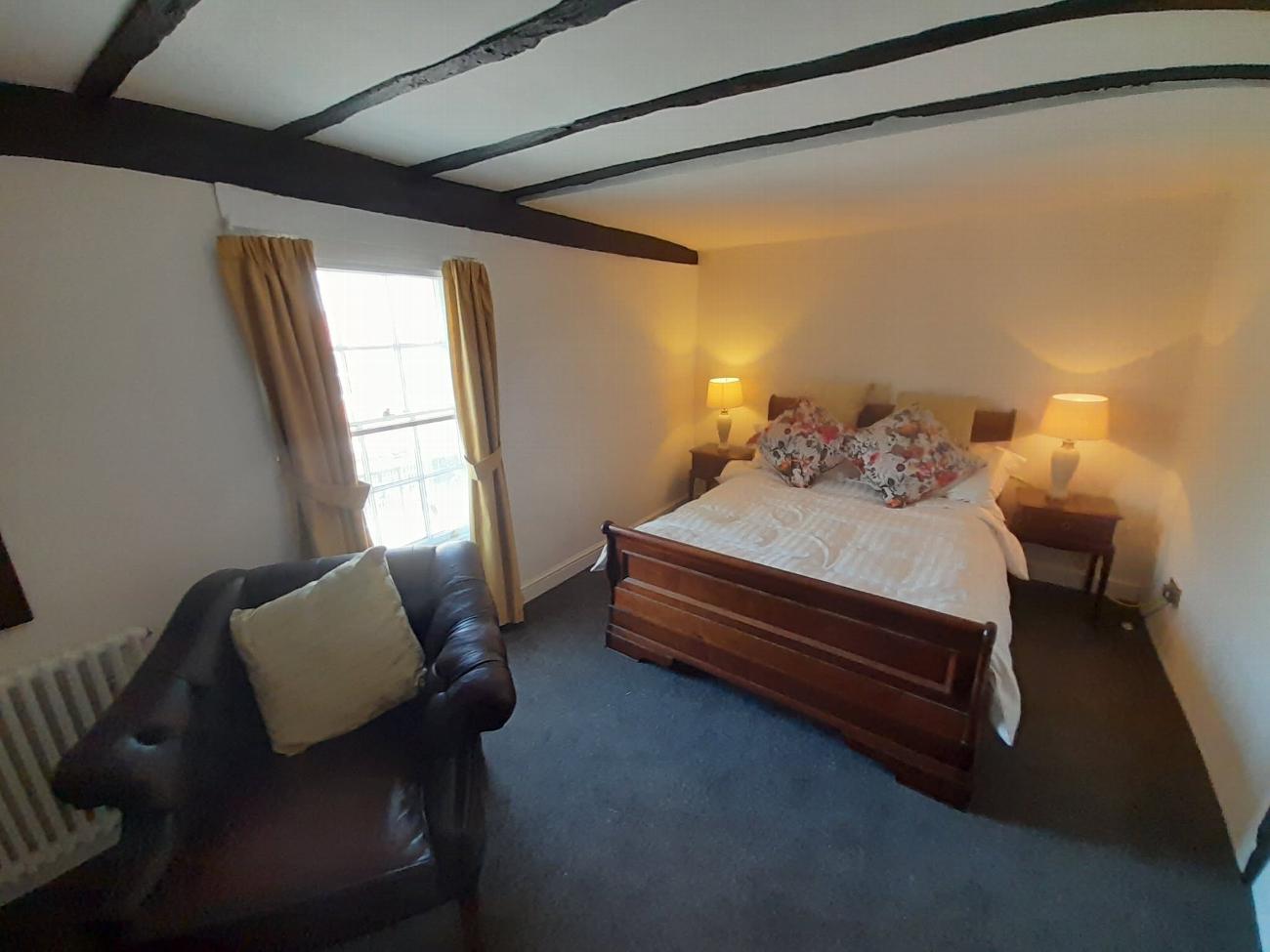
The window that once lit a working room, now bringing light into a guest bedroom.
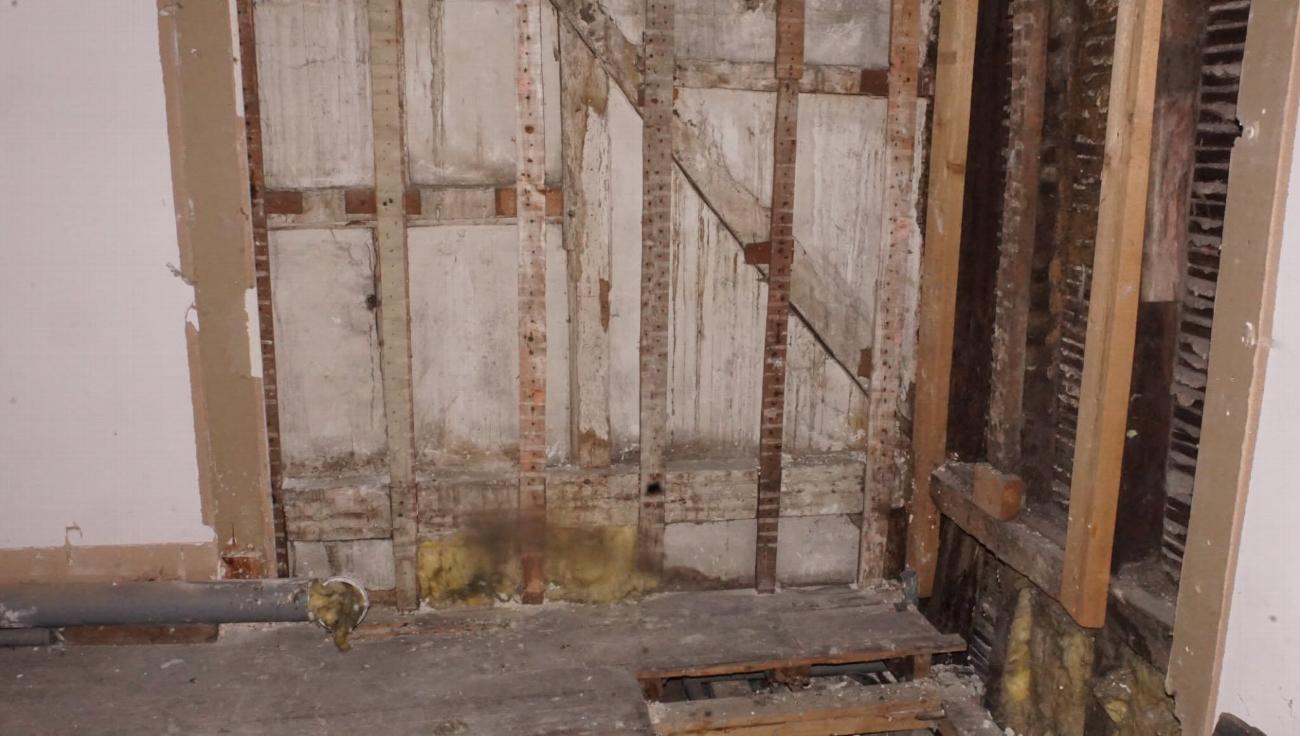
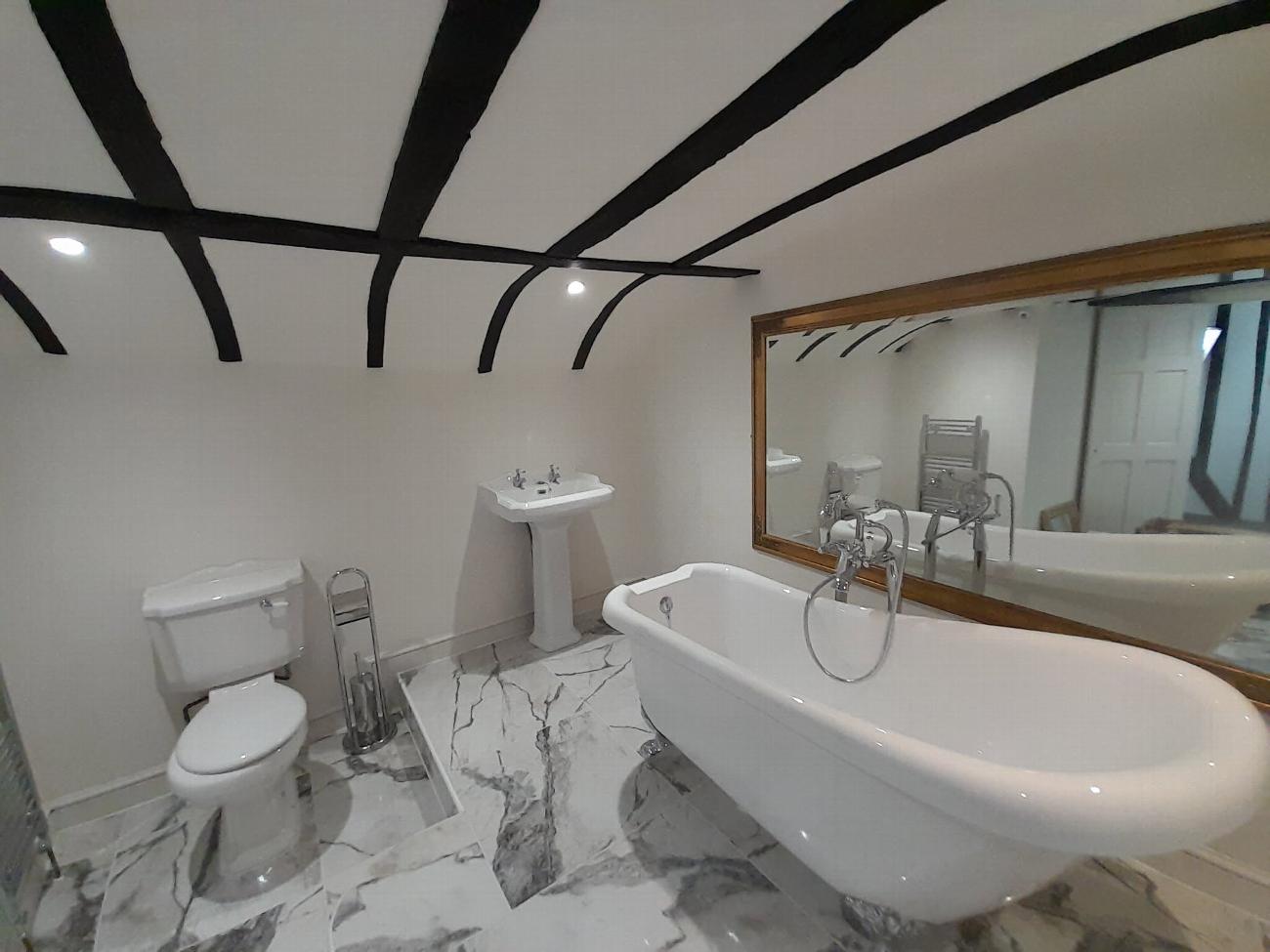
Where water was once carried by hand, a private bathroom now sits beneath the original beams.
Historical Significance
A record of the unnamed workers whose care and discipline made public ceremony and private comfort possible within the walls of the courthouse.
Did You Know?
Servants often used back stairs and service routes to avoid crossing formal rooms.
Service rooms were usually plainer than public rooms but are often among the most revealing historic spaces.
Comfort in judges' lodgings depended on constant behind-the-scenes labour.
The Judge Scrutton Servants' Quarters connect the building's judicial identity with its domestic working life.


WEDDINGS AND ACCOMMODATION · MAIDSTONE, KENT
Book Your Wedding At Stone Court House
Uncover the details, beauty and atmosphere that have made us Maidstone's top rated wedding venue.
Arrange a private wedding venue tour and step into history for your big day.
01622 200391
WEDDINGS | ROOMS & SUITES | MEETING & EVENTS | SPECIAL OFFERS | ABOUT | CONTACT
