History & Story
The Judge Alverstone - The Thoughtful Pause Behind Public Duty
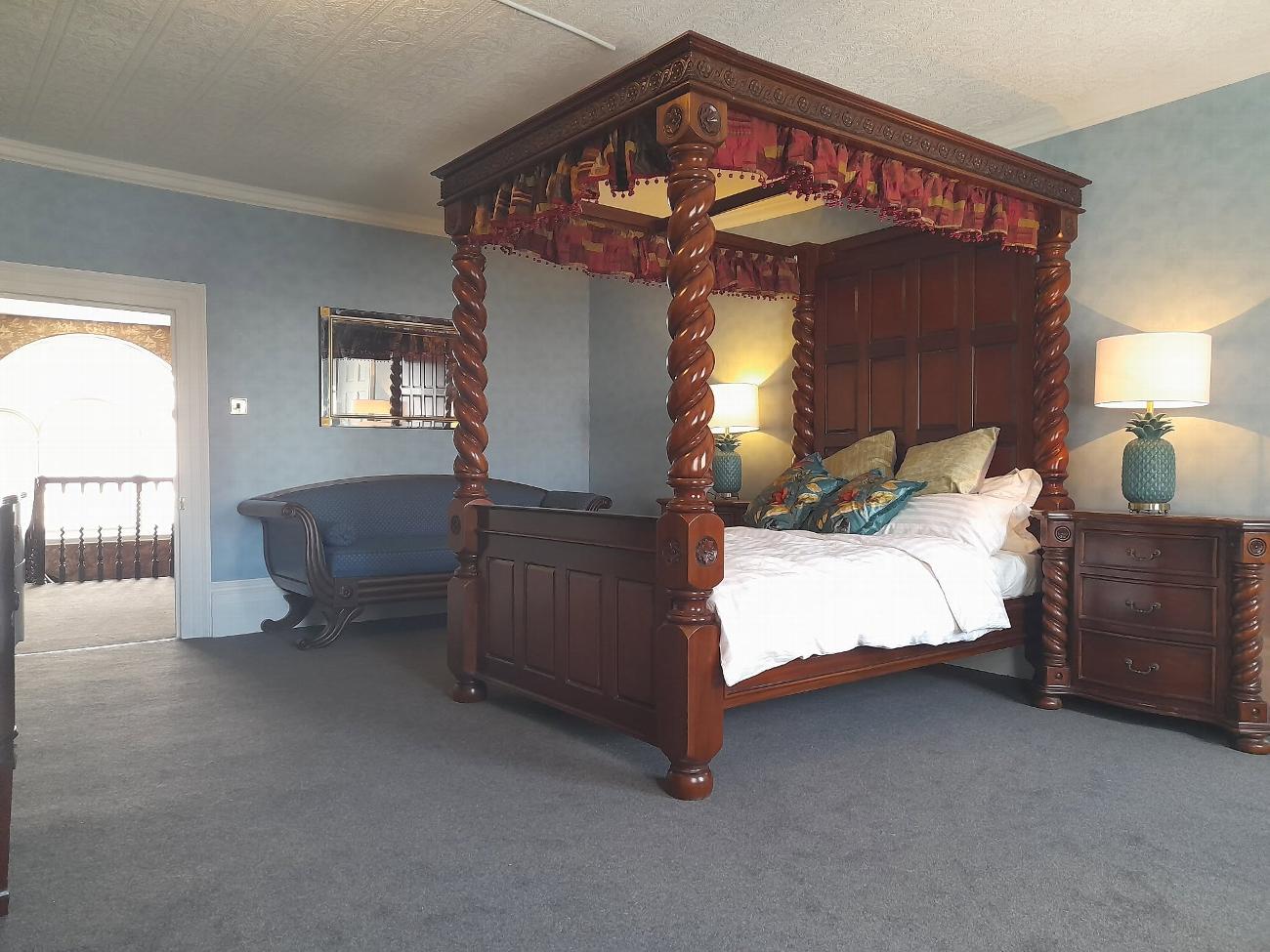
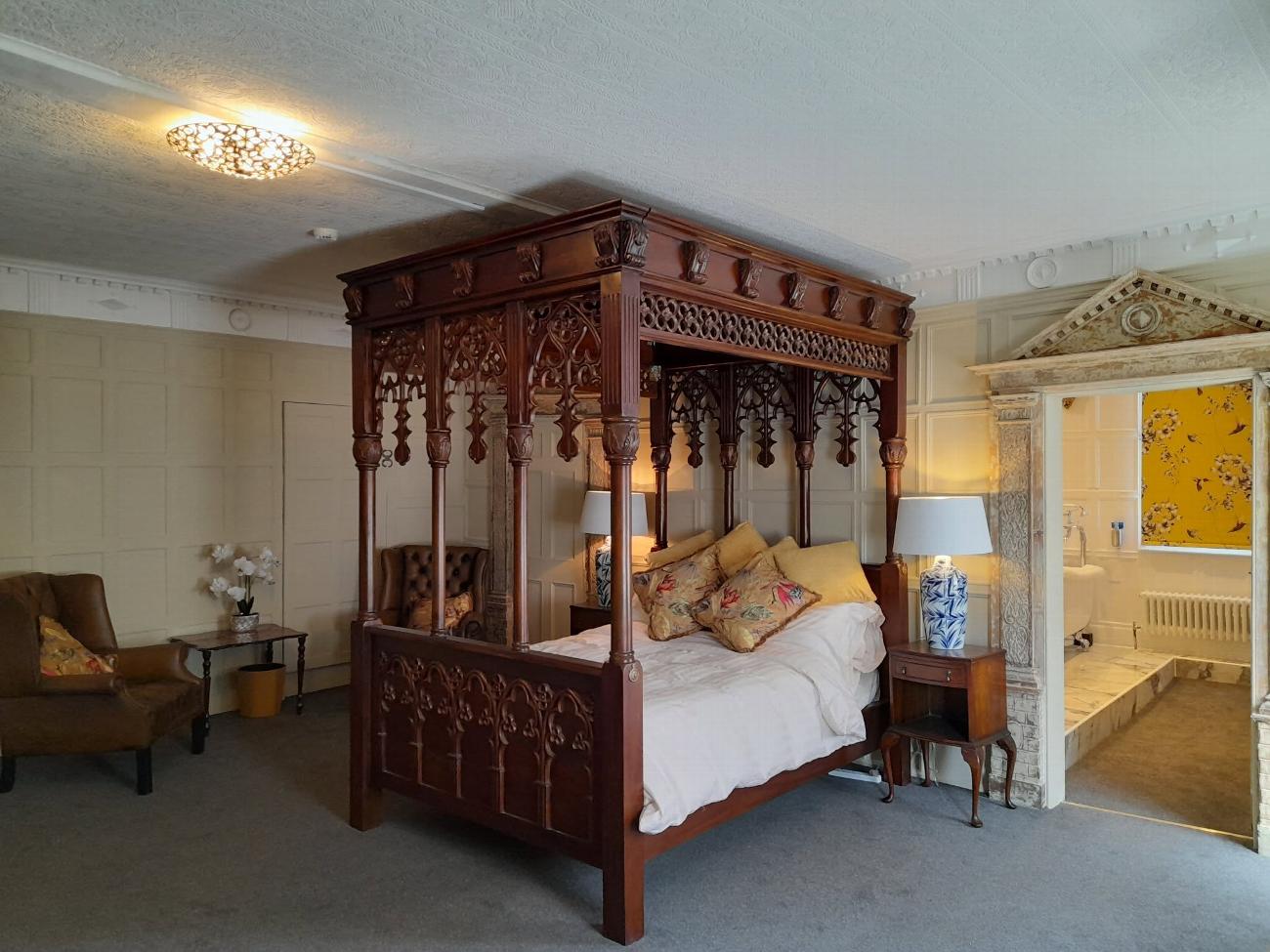
Named for Judge Alverstone, this space evokes the quieter habits of legal life: reviewing papers, weighing decisions, writing correspondence, and preparing for formal duties. In judges' lodgings, such rooms were important because they allowed public authority to be supported by private concentration.
The room also reflects the domestic side of Stone Court House. While judges appeared in public with ceremony and authority, their work depended on moments of stillness, reading, discussion, and judgement formed away from view.
Today, The Judge Alverstone helps visitors imagine the thoughtful pause behind legal decision-making: a room where silence, paperwork, and reflection were as important as the public proceedings below.
Personal Restoration Note
This room taught us the value of quietness within the house. Not every space needed to be grand; some needed to feel measured, thoughtful, and still, reflecting the private moments behind public responsibility.
THE RESTORATION
Before & After - The Judge Alverstone Restored
Stripped walls and bare floors gave way to a measured, still room, one that did not need to be grand to serve its purpose.
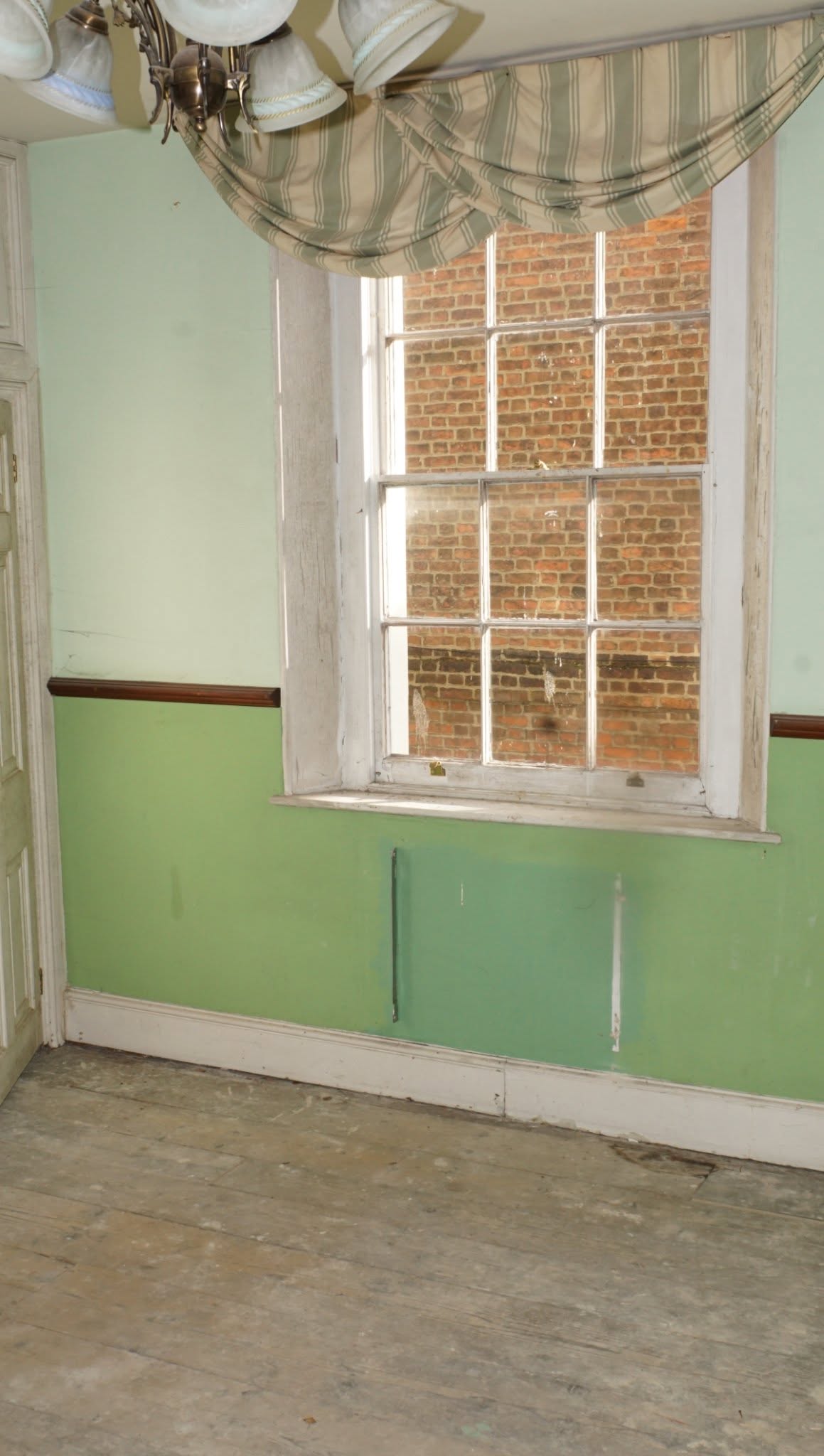
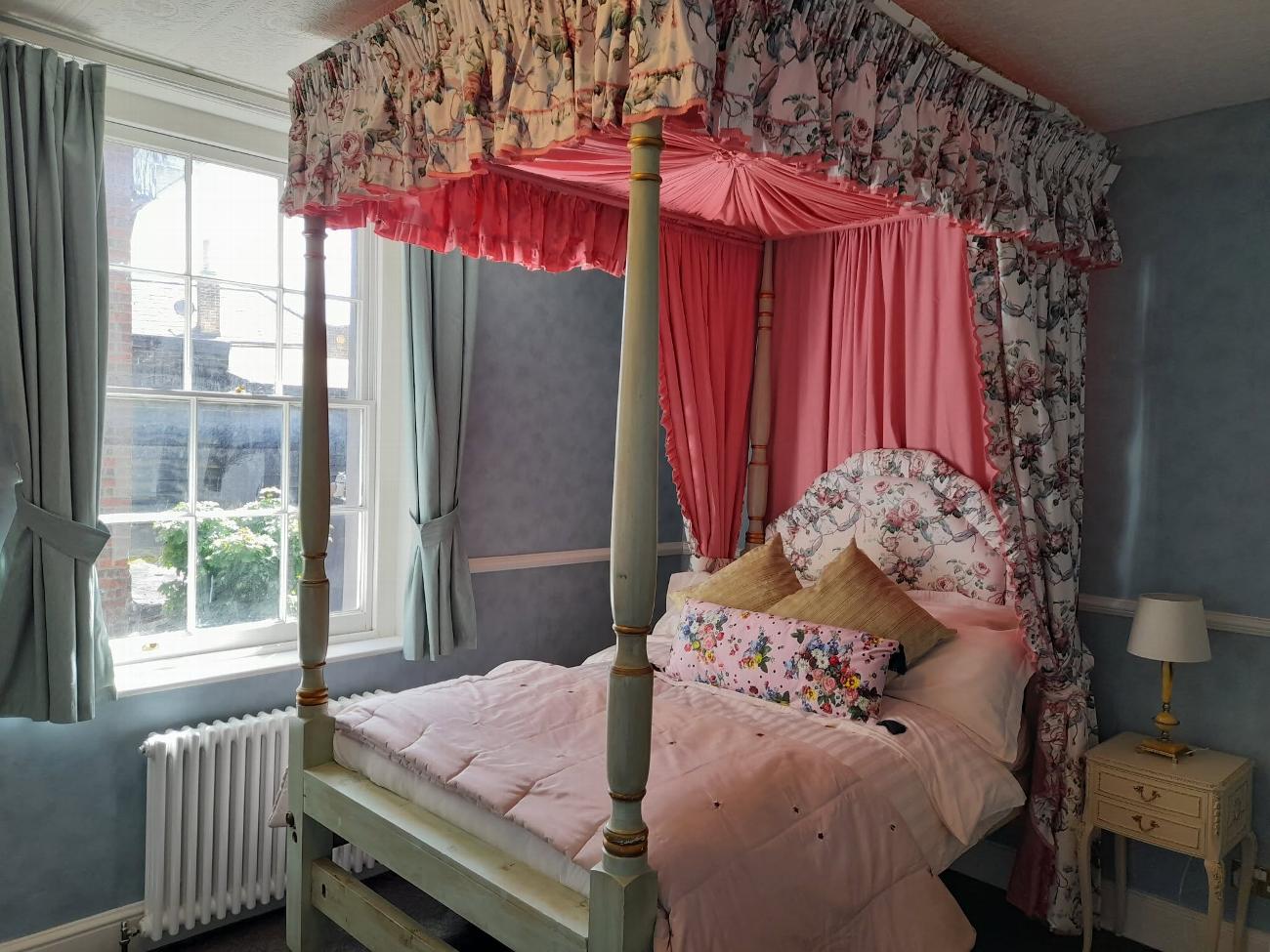
The window and bare floor as they were found, and the restored room that now looks out from the same corner.
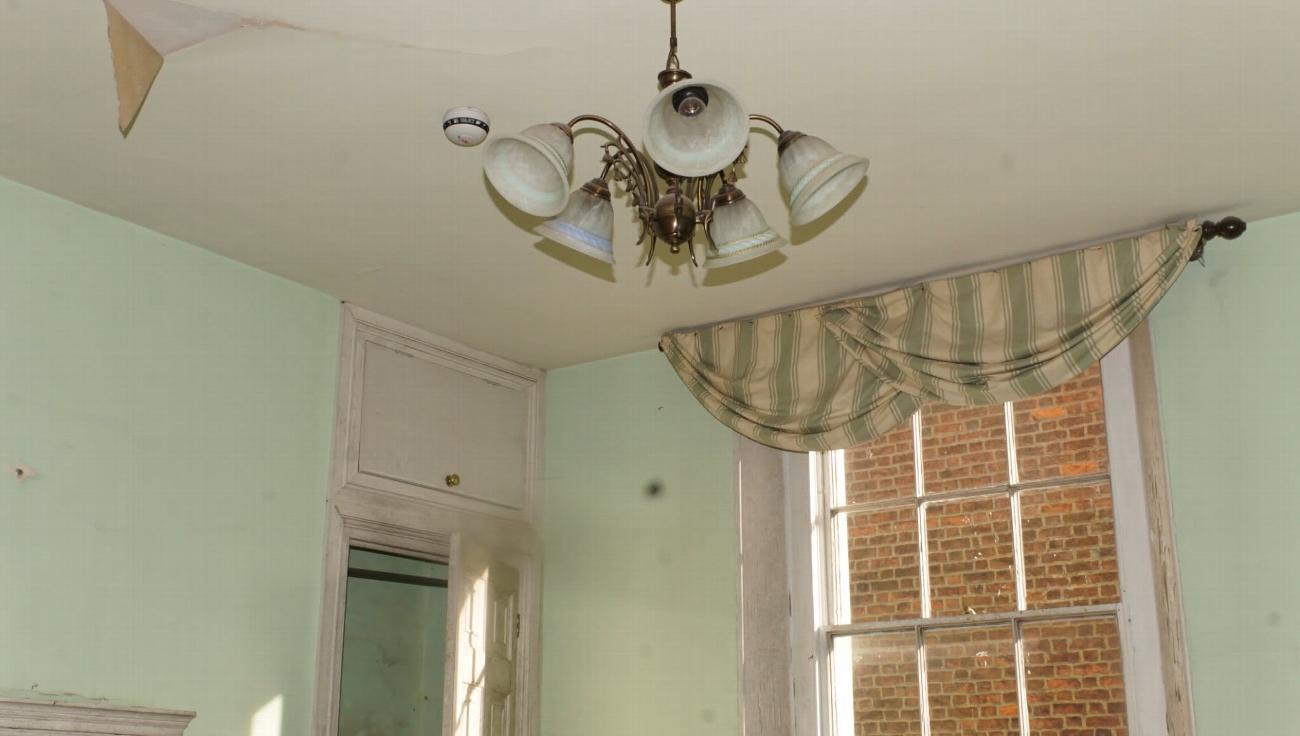
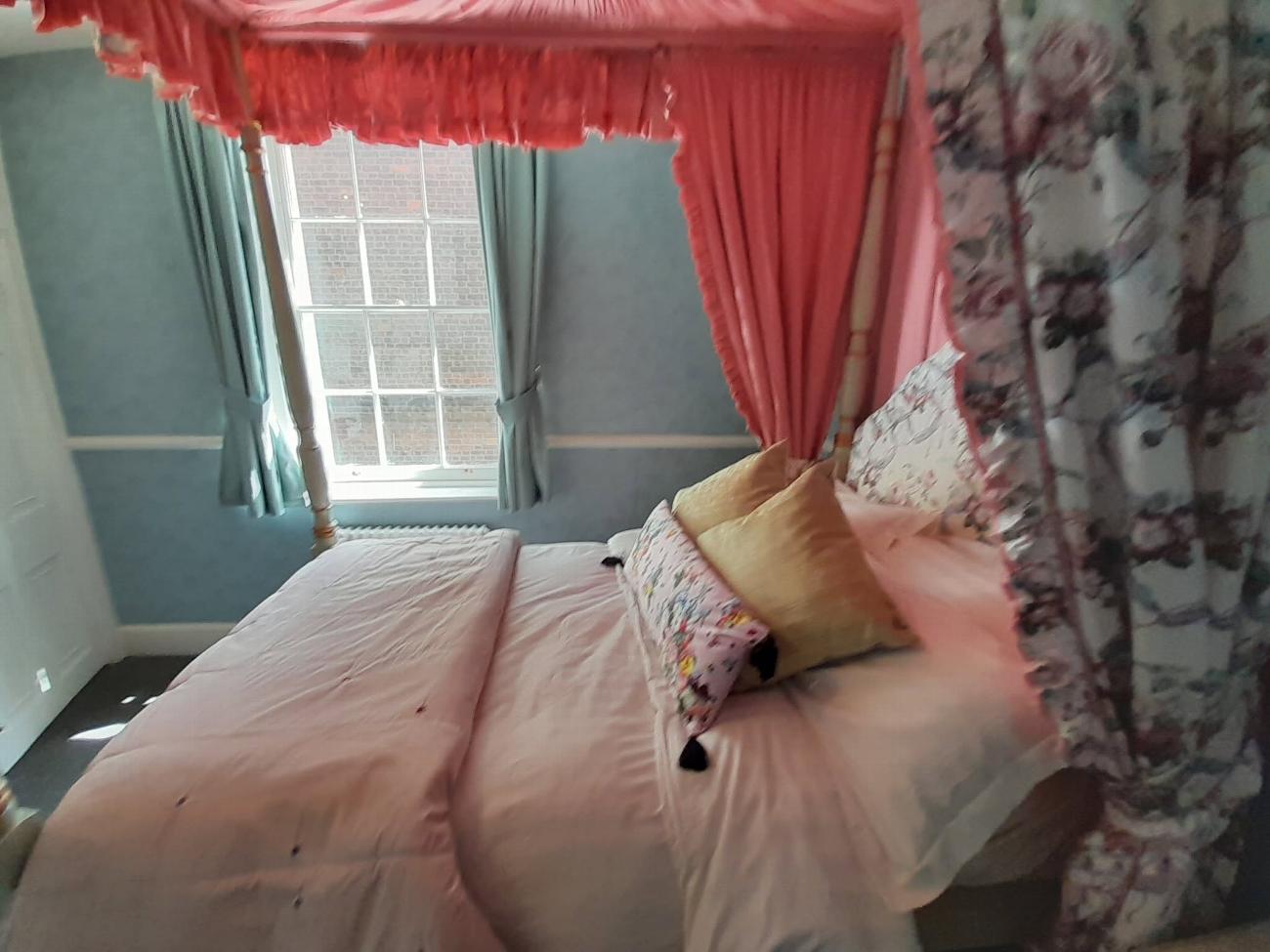
Tired green paintwork replaced, and the room furnished for reading, rest, and reflection.
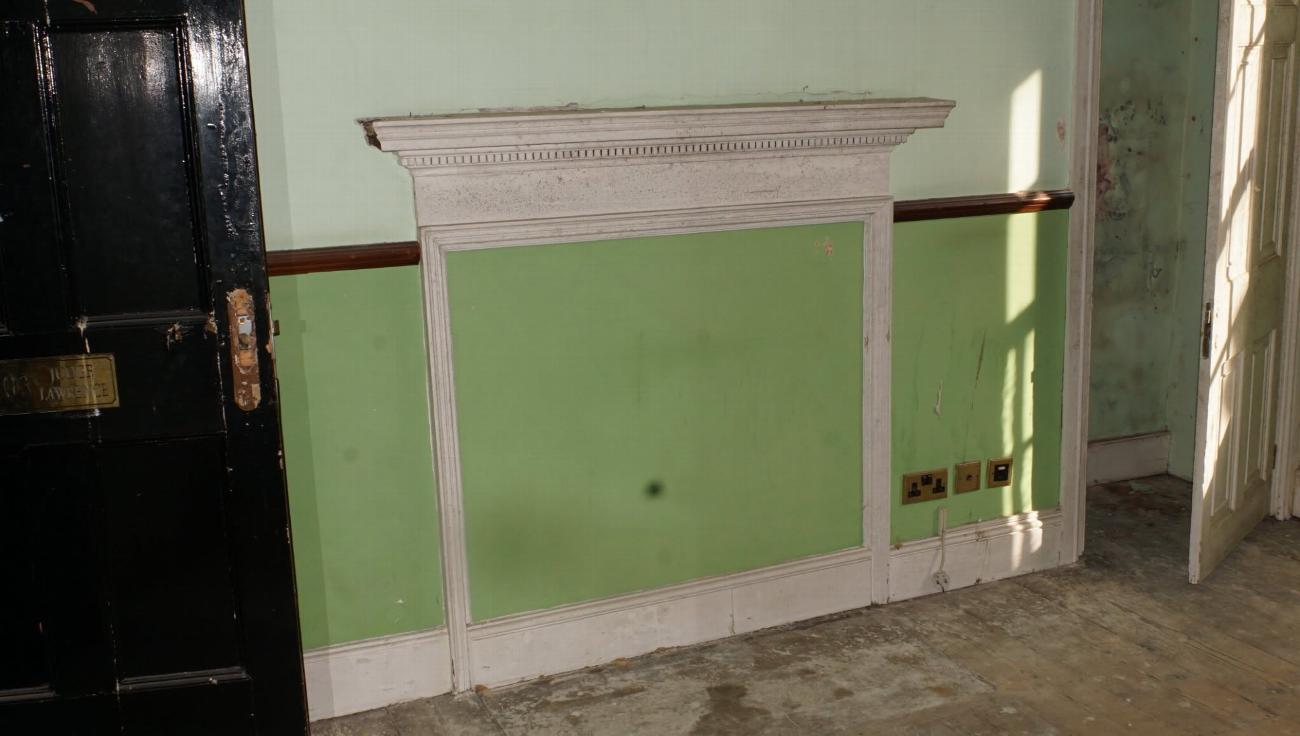
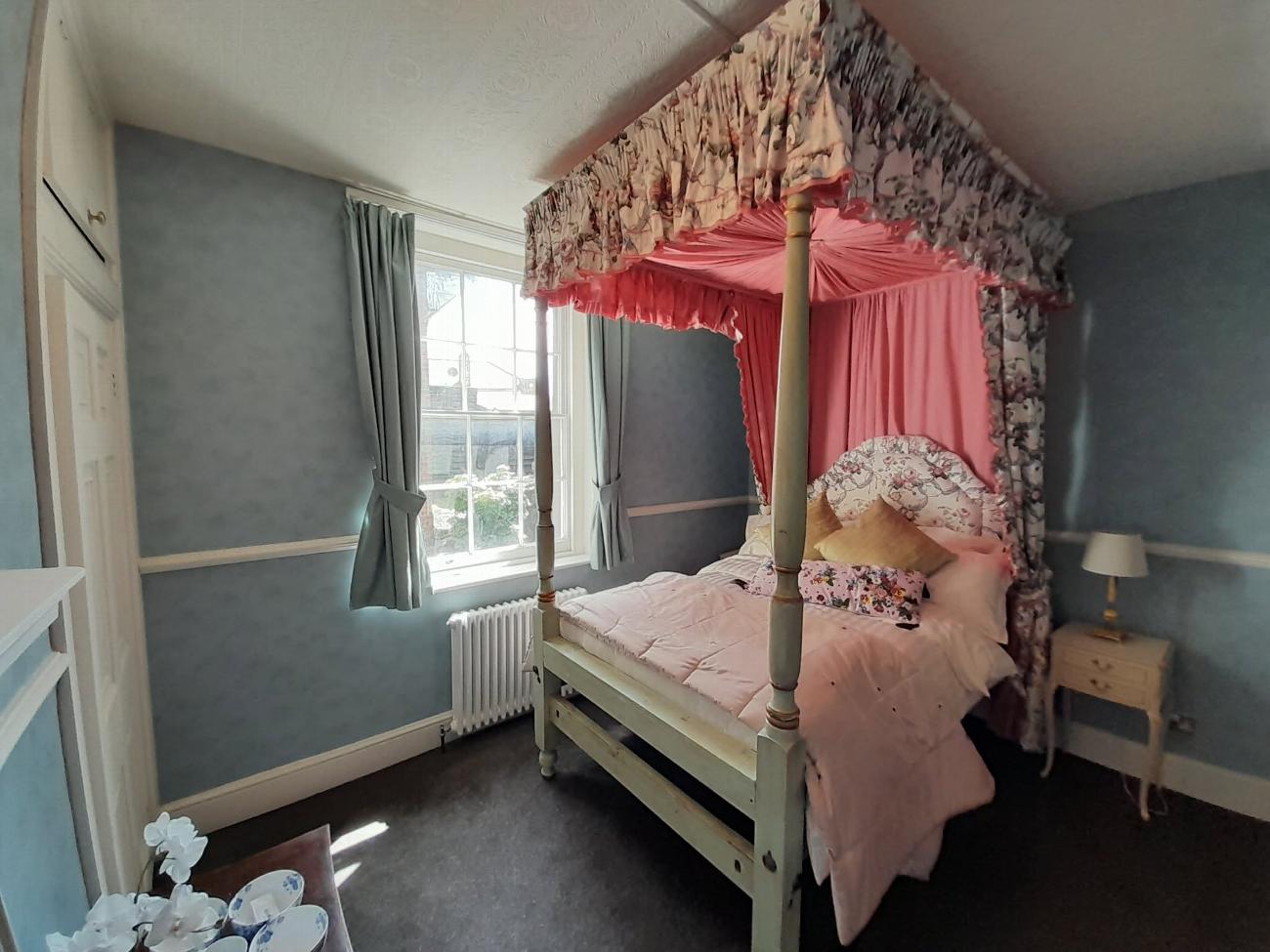
Damaged joinery repaired, restoring the quiet dignity the room was built for.
Historical Significance
A reminder that public authority rested on private concentration, and that judgement was formed in stillness long before it was delivered in the courtroom.
Did You Know?
Judges needed private rooms for reading, correspondence, and preparation.
The Judge Alverstone room connects the house's domestic comfort with its judicial purpose.
A quiet room helped separate formal public duties from private legal reflection.

WEDDINGS AND ACCOMMODATION · MAIDSTONE, KENT
Book Your Wedding At Stone Court House
Uncover the details, beauty and atmosphere that have made us Maidstone's top rated wedding venue.
Arrange a private wedding venue tour and step into history for your big day.
01622 200391
WEDDINGS | ROOMS & SUITES | MEETING & EVENTS | SPECIAL OFFERS | ABOUT | CONTACT
