History & Story
The 18th Century Masonic Window — Stars, Symbols, And Georgian
Windows in historic houses did more than admit light. They shaped views, displayed taste, and sometimes carried symbolic meaning. The star details in this 18th-century window have been interpreted as Masonic in character, suggesting a connection with the culture of clubs, societies, and ceremonial gatherings during the Georgian period.
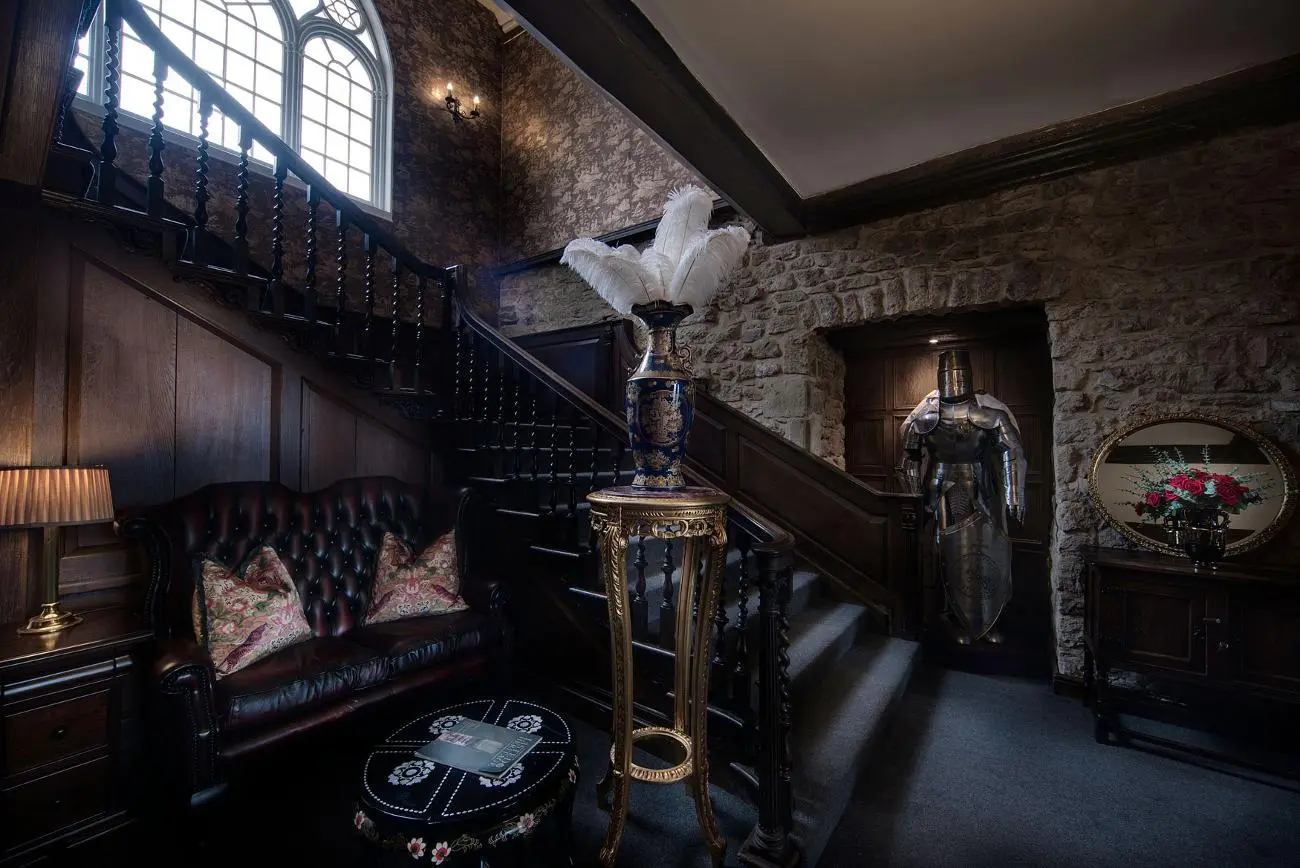
At Stone Court House, the window connects Georgian design with the older fabric around it. Its star details encourage visitors to look beyond the obvious features of the room and notice how later generations added symbols, decoration, and meaning to a building that was already centuries old.
Today, the 18th-century window offers a small but memorable moment in the visitor journey. It reminds guests that details such as stars, glass, and proportion can carry stories just as powerfully as walls, fireplaces, wells, or staircases.
Personal Restoration Note
Small details like the Masonic window changed the way we looked at the house. Once we began noticing stars, marks, carvings, and fragments, we realised that Stone Court House was full of signs waiting to be read.
CALL NOW
Historical Significance
The space that reveals Stone Court House as a complete historic site rather than a sequence of rooms, where architecture, service, and outdoor life met.
Did You Know?
The star details in the window invite close looking and may reflect Georgian interests in symbolism, ceremony, and display.
This 18th-century window sits within a building that already contained much older medieval fabric.
Historic windows were designed for more than light: they also shaped proportion, status, and architectural effect.
Small decorative details can reveal how later generations adapted, interpreted, and embellished the house.
WEDDINGS AND ACCOMMODATION · MAIDSTONE, KENT
Book Your Wedding At Stone Court House
Uncover the details, beauty and atmosphere that have made us Maidstone's top rated wedding venue.
Arrange a private wedding venue tour and step into history for your big day.
01622 200391
WEDDINGS | ROOMS & SUITES | MEETING & EVENTS | SPECIAL OFFERS | ABOUT | CONTACT
